
Can You Hear Your Smoke Alarm? Guide for Hard of Hearing People
- Sally Jackson RHAD

- May 14
- 2 min read
The most common type of hearing loss is high-frequency, progressive, sensorineural loss. We experience this as we age, and by around 75-80 years old, many have a severe high-frequency loss.
Even if you can hear relatively well, your 6-8kHz region (the highest pitched range of speech) can have a loss of 80-90dB. This means that you require 80-90dB of amplification before you can detect even the softest sound at that frequency.
But smoke alarms are really loud, aren't they? Sure, they might be 100dB. But the way sensorineural loss works, a 100dB sound will be perceived as a whisper. You don't hear loud sounds the same as you used to.
Compounding this problem, most alarms/sensors are a single tone. So your smoke alarm, microwave, the card reader in the shops, they often have a 'beep' of about 6kHz, or even 8kHz. This is exactly the wrong frequency to use, as it is the least audible to the majority of the population.
Ideally, I would create alarms with a Nee-Naw - a two-tone sound. High pitched to get your attention, but combined with a lower pitch for more audibility. Manufacturers of smoke alarms and sirens - listen up!
I want all people who are hard of hearing to ask themselves this question.
If my smoke alarm went off, while I was fast asleep, without my hearing aids in, would it be loud enough to wake me?
For a lot of my patients, the answer is no. Not even close! But if they test the alarms, they do it during the day with their aids in, and they don't realise.
Thankfully, you can get smoke alarms that attach to a vibrating pad. This goes under the mattress. When the alarm is triggered, it shakes you awake.
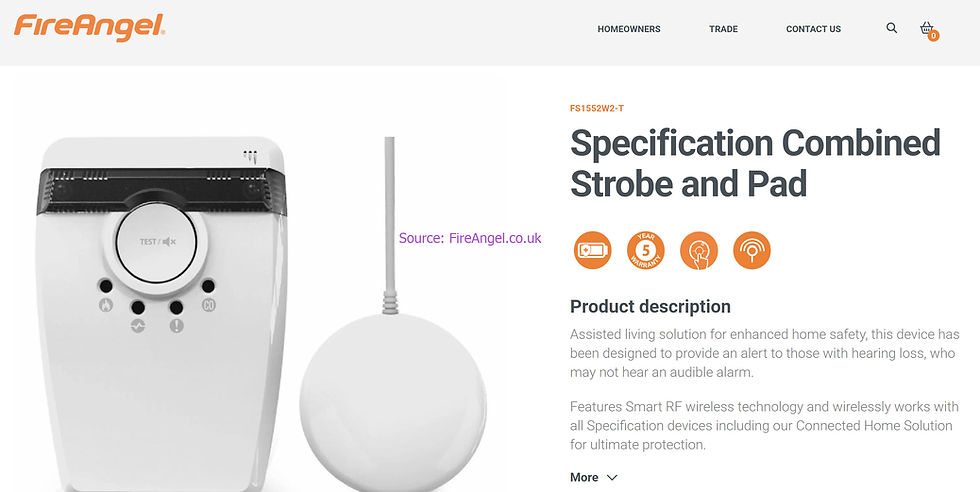
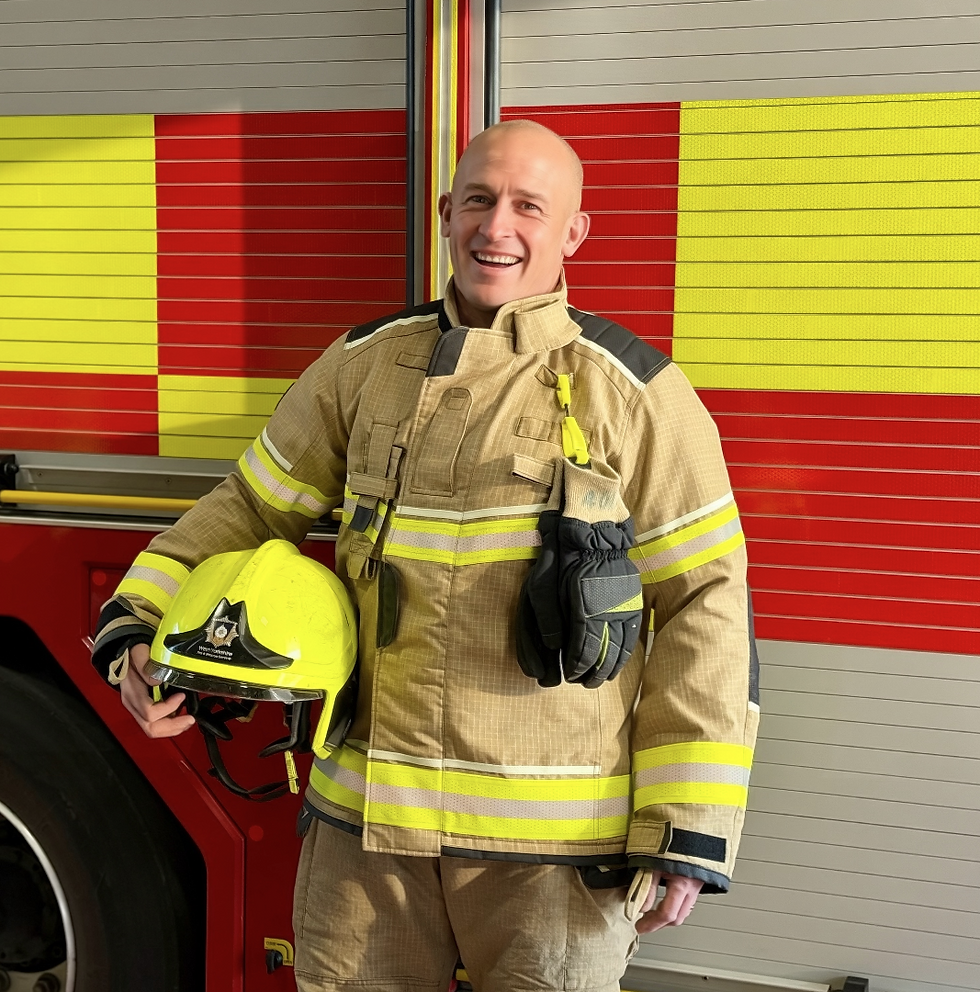
For those in West Yorkshire, our Fire Service will assess you and fit them free of charge. I even got a proper fire engine during one of our visits!
This link takes you to the booking page for West Yorkshire, but you can drop into your local station or search online to see if your area has a similar service. If not, you can buy them personally.
Please look out for yourselves, and for elderly friends and relatives who may not have thought about their own smoke alarm systems.


Comments